
Fatima Day Trip From Lisbon: Plan It Well
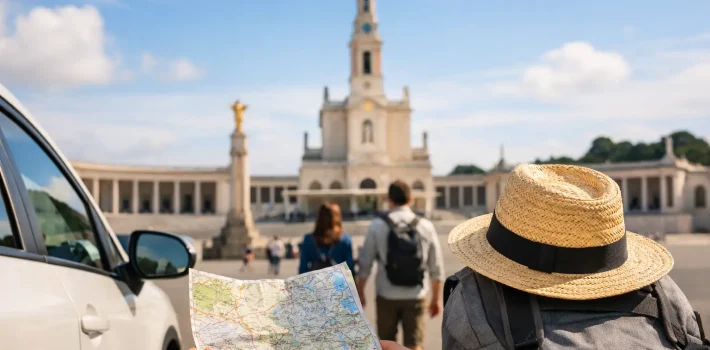
The square at the Sanctuary of Our Lady of Fátima can feel remarkably quiet in the early morning, even when pilgrims from around the world are already beginning to arrive. A Fatima day trip from Lisbon is not simply about reaching a famous landmark. It is an opportunity to set aside the pace of the capital, travel through central Portugal in comfort, and spend time at a place that means something different to every visitor.
For some guests, Fátima is the spiritual focus of a Portugal itinerary. For others, it is a meaningful cultural visit, a family connection, or a chance to understand one of the country’s most significant modern stories. A private day trip gives you the space to approach it in your own way, without watching the clock for a coach departure or carrying bags between stations.
Why Fátima deserves a full day
Fátima lies roughly 80 miles north of Lisbon. The drive typically takes around 90 minutes each way, depending on traffic and your pickup location. It is achievable as a half-day visit, but a full day is far more rewarding if you would like to attend Mass, visit the principal sites at an unhurried pace, enjoy lunch, or combine the sanctuary with another stop in the region.
The destination became internationally known after the reported apparitions of 1917, witnessed by three local children. Today, its sanctuary welcomes both devoted pilgrims and curious travelers. The experience can be deeply moving, but it does not require religious belief to appreciate the scale, history, and quiet purpose of the place.
A private chauffeur-driven journey also makes the travel time part of the day rather than a logistical obstacle. You can leave directly from your Lisbon hotel, relax in a premium Mercedes vehicle, and arrive at the most convenient point for your planned visit. Couples may prefer the privacy of an E-Class sedan, while families and small groups often appreciate the extra room of a V-Class people carrier.
What to see on a Fatima day trip from Lisbon
The sanctuary complex is large, open, and easy to walk around, although the distances can be more than some visitors expect. Comfortable shoes are a good idea, particularly in summer, when the broad esplanade reflects the heat.
The Chapel of the Apparitions
This modest chapel stands at the heart of the sanctuary, on the site associated with the 1917 apparitions. It is often the most personal part of the visit. Visitors come to pray, light candles, sit quietly, or simply observe the steady flow of people arriving from many countries.
It can become busy around services and major pilgrimage dates. An experienced local chauffeur can help plan an arrival time that works with your priorities, whether that means reaching the chapel early or allowing time after a scheduled Mass.
Basilica of Our Lady of the Rosary
The older basilica, with its graceful bell tower and colonnade, is a key landmark of Fátima. Inside are the tombs of the three shepherd children, Francisco, Jacinta, and Lúcia. The atmosphere is generally respectful and calm, so it is best to keep voices low and dress with the setting in mind.
Basilica of the Holy Trinity
On the opposite side of the square, this contemporary basilica offers a striking contrast to the older church. Its immense circular interior was designed to accommodate large congregations while retaining a sense of simplicity. Even visitors with limited time should step inside, if only to appreciate the architecture and scale.
The Way of the Cross and Aljustrel
For a more complete understanding of the Fátima story, consider adding the Way of the Cross and the nearby village of Aljustrel, where the shepherd children lived. Aljustrel is a short drive from the sanctuary and feels more intimate than the main complex. The family homes and countryside setting give helpful context to the events that shaped the pilgrimage site.
This addition is especially worthwhile for travelers who have come to Fátima for faith-based reasons, though it does make the day longer. If you prefer a slower sanctuary visit, it may be better to keep the itinerary focused and leave Aljustrel for another occasion.
Choosing the right timing
An early departure from Lisbon is usually the most comfortable choice. It provides a gentler arrival, more time for the sanctuary, and flexibility for lunch or a second destination. For guests staying in central Lisbon, a departure around 8:00 or 8:30 a.m. often works well for a full-day itinerary.
May 13 and October 13 are particularly significant dates, marking the first and final reported apparitions. The sanctuary is especially busy around these anniversaries, as well as during Holy Week, Easter, Christmas, and many weekends between spring and fall. These dates can be extraordinary for pilgrims who wish to experience the communal spirit of Fátima. They are less suitable for travelers seeking quiet access, easy parking, and a relaxed schedule.
If attending a particular service matters to you, confirm the current schedule before finalizing your day. Service times, access arrangements, and ceremonial events can change. A good itinerary should allow a little extra margin rather than treating a religious service like a timed attraction entry.
Private transport or public transportation?
Public transportation is possible, but it involves compromises. Bus services from Lisbon can be practical for independent travelers on a tight budget, though you will need to work around fixed departure times and make your own way between your accommodation, terminals, and local sites. Train travel is less direct, as the nearest station is not in the sanctuary center and requires an onward connection.
For a couple, family, or small group, private transportation is often the more comfortable option. Door-to-door pickup avoids an early taxi to a bus station, and your luggage can remain securely in the vehicle if Fátima is part of a longer route. You also have the freedom to adjust the day: linger at the chapel, stop for a proper lunch, or add a scenic detour if the weather and timing are right.
NickiTravel can arrange a tailored private Fátima experience with an English-speaking chauffeur, planned around your preferred pace and pickup location. The value is not only in the vehicle. It is in having a reliable professional manage the road, timing, parking, and practical details while you focus on the reason you came.
Thoughtful additions to your day
Fátima can be combined with several central Portugal destinations, but restraint usually makes for a better day. Trying to add too many stops can leave the sanctuary feeling rushed and turn a meaningful visit into a checklist.
Batalha Monastery is a natural choice for travelers interested in Portuguese history and Gothic architecture. Its intricate stonework and royal associations make a strong contrast with Fátima’s modern pilgrimage setting. The fishing town of Nazaré is another appealing option, particularly for guests who would enjoy Atlantic views and a seafood lunch. However, adding Nazaré means a fuller driving day and is best suited to travelers comfortable with a later return to Lisbon.
Óbidos can also fit certain routes, especially for visitors who want a walled medieval town alongside their Fátima visit. It works best when the sanctuary portion is kept concise. If your priority is prayer, reflection, or attending Mass, give Fátima the time it deserves and choose just one additional stop, if any.
Practical details for a comfortable visit
There is no entrance charge for the main sanctuary areas, but donations, candles, museum visits, and meals are separate expenses. Keep a light layer with you outside the hottest months, as conditions can change between Lisbon and central Portugal. Modest clothing is appreciated, especially if you plan to enter churches or attend a service.
Photography is generally fine in exterior spaces, but always be considerate. Avoid taking photographs during prayer or services, and follow any signs inside religious buildings. Fátima is a place of active worship, not merely a sightseeing stop.
Families are welcome, and children often respond well to the open space and the story behind the sanctuary. Still, the day involves walking and quiet areas, so a flexible schedule helps. A private vehicle is particularly useful when traveling with younger children, older relatives, or anyone who benefits from regular rest breaks.
Before departure, share any important needs with your transport provider: mobility concerns, a preferred Mass, child seats, dietary requirements for lunch, or a wish to spend more time in Aljustrel. Small details decided in advance can make the day feel calm rather than overplanned.
Fátima asks for a little patience and rewards it. Leave room in the itinerary to sit in the square, hear the bells, or pause in the chapel without feeling that the next stop is already waiting. That quiet, personal time is often what travelers remember most when they return to Lisbon.
Leave a Comment