
What Happens When a Flight Is Delayed?
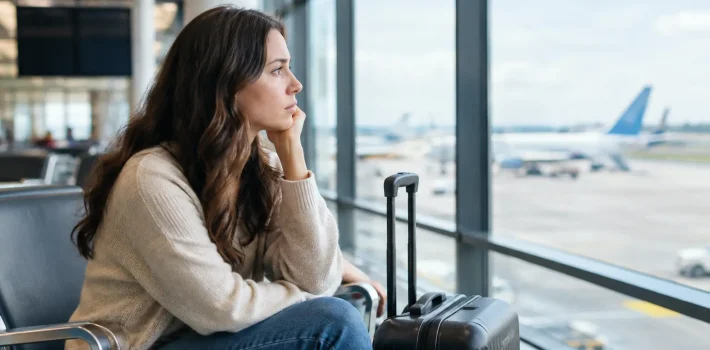
A delayed departure can change the mood of an entire trip in a matter of minutes. The question, “what happens when flights delay,” is usually asked while watching a departure board, with a hotel check-in, a family member, or a driver waiting at the other end. The good news is that a delay does not have to turn into a disorganized arrival. Knowing what the airline handles, what you should confirm, and when to update your ground transportation makes the experience far more manageable.
For travelers arriving in Portugal, the most useful approach is simple: stay close to the latest airline information, keep your onward plans flexible, and communicate early with anyone meeting you after landing.
What Happens When Flights Delay at the Airport?
A delay means the airline expects your flight to leave later than its scheduled departure time. It may be caused by weather, air traffic control restrictions, a late incoming aircraft, a technical inspection, crew scheduling, or congestion at the airport. The reason matters because it can affect what assistance or compensation may apply, but your immediate priority is the same: confirm your new estimated departure and keep monitoring it.
Airlines normally update the airport screens, their app, text alerts, and gate announcements. These updates can change more than once, particularly when the delay is related to weather or air traffic. A posted delay of 45 minutes may be resolved quickly, or it may become longer if the aircraft has not yet arrived or a new crew is needed.
Remain near the gate area once boarding is expected to begin. Airports can be busy, and a revised departure time is not always a promise that boarding will start at precisely that hour. Keep your passport, boarding pass, medication, chargers, and a light layer of clothing with you rather than in checked baggage.
If Your Flight Is Delayed Before You Leave Home
When the delay is announced before you depart for the airport, do not assume you can arrive later without checking first. Airlines may still close check-in and baggage drop at the original times, especially if the departure time is uncertain. Follow the airline’s instruction and allow your normal check-in time unless they specifically advise otherwise.
If you have a pre-booked airport transfer, notify the provider as soon as you receive the alert. A professional chauffeur service can often adjust pickup timing when given notice, but availability and schedules may be affected by a major disruption. Early communication gives everyone the best chance to keep your journey comfortable and punctual.
Missed Connections and Rebooking
A delayed first flight can cause concern when you have a connection. If both flights are on one booking, the airline is generally responsible for getting you to your final ticketed destination, even if the delay means you miss the planned onward flight. In many cases, the airline will rebook you automatically. Check the app or speak with a gate agent before joining a long customer-service line.
If your flights were purchased as separate tickets, the situation is less straightforward. The second airline may treat you as a no-show if you miss its check-in or boarding deadline. Travel insurance may help depending on your policy, but it is wise to contact the second airline as soon as a missed connection appears likely.
For a connection through Lisbon, allow for the practical details after rebooking. You may need to collect checked luggage, pass through passport control, or move to another terminal area depending on your itinerary. A private driver booked for your original arrival time should be told about the revised flight number and expected landing time, not only the new departure time. Flight numbers, terminals, and arrival estimates can all change during rebooking.
Your Checked Baggage and Airport Arrival
If you stay on the same flight, your checked bags normally remain assigned to it. If you are moved to a different flight, ask the airline whether your baggage has been retagged. This is particularly helpful when an itinerary changes at short notice or you are traveling with golf clubs, a stroller, or several suitcases.
After an international arrival in Portugal, allow time for passport control, baggage reclaim, and customs before setting an exact meeting expectation. Even after the aircraft lands, it may take 30 to 60 minutes or more to reach the arrivals hall. On busy days, it can take longer.
This is why flight monitoring is more reliable than arranging a driver around a scheduled landing time alone. At NickiTravel, airport transfer planning is built around the realities of travel day: a courteous chauffeur, a suitable Mercedes vehicle for your party and luggage, and a clear plan for meeting after you have collected your bags. Still, a quick message from the traveler is invaluable if a flight is canceled, rerouted, or rebooked under a new number.
Food, Hotels, and Airline Assistance
The help an airline provides depends on the route, length of delay, local regulations, and cause of the disruption. For flights departing from the European Union, including Portugal, passenger-rights rules may require airlines to offer care during substantial delays, such as refreshments, communications, or accommodation when an overnight stay becomes necessary. Compensation can be possible in certain circumstances, but it is not automatic and may not apply when extraordinary events, such as severe weather or air traffic control restrictions, caused the delay.
The airline should explain its process, but save your documents as well. Keep boarding passes, delay notices, receipts for reasonable expenses, and notes of any conversations with airline staff. If vouchers are offered, ask where they can be used and whether they have a time limit.
There is a practical trade-off here. Waiting in a customer-service line may secure immediate answers, while using the airline app or phone support can be faster and lets you remain close to the gate. If an agent is rebooking you, be clear about your priorities. A family with tired children may value an earlier hotel and a confirmed morning departure. A business traveler may prefer the fastest available routing. Neither choice is wrong, but the airline cannot plan around preferences it does not know.
How to Protect Your Plans After Landing
A delayed flight often has a ripple effect beyond the airport. A restaurant reservation, cruise embarkation, hotel check-in, private tour, or intercity journey may need to move. Focus first on the commitments that have a fixed closing time or departure, then work outward.
For ground transportation, provide three details: your updated flight number, the latest expected arrival time, and a phone number or messaging contact available once you land. If you are traveling as a group, nominate one person to communicate. This prevents conflicting updates and leaves everyone else free to manage luggage, children, or airport formalities.
Avoid making rushed decisions at arrivals. If your original transfer cannot wait because of a significant delay, ask whether a revised pickup can be arranged and confirm the price before accepting an alternative. A pre-booked private transfer offers welcome peace of mind after a long flight, especially when traveling with children, older relatives, or substantial luggage, but clarity is always better than assumptions.
A Calm Response Makes the Difference
Flight delays are inconvenient, and sometimes genuinely disappointing, particularly when Portugal is waiting outside the terminal. Yet the disruption is easier to handle when you treat it as a timing problem rather than a ruined trip. Check the airline’s updates, protect your connection and baggage details, alert the people expecting you, and leave enough room in your first day for the airport to run at its own pace.
A relaxed arrival begins with realistic expectations. Once you step into the arrivals hall, a comfortable car, a professional welcome, and a little local reassurance can make the delayed hours feel much farther away.